
Bosch Dishwasher Series 4 Manual: A Comprehensive Guide
This manual details the Series 4 dishwasher, offering guidance on queries, data requests, and SQL commands for optimal performance and troubleshooting assistance.
Welcome to the Bosch Series 4 dishwasher experience! This appliance represents a blend of innovative technology and user-friendly design, aimed at simplifying your kitchen routine. Understanding its features, as detailed in this manual, is key to maximizing its performance. Think of this dishwasher as responding to ‘queries’ – your needs for clean dishes.
This Series 4 model is designed for efficient cleaning and drying, offering various wash programs to suit different load types and soil levels. Like a database responding to a SQL ‘query’, it delivers results based on selected parameters. Proper operation, maintenance, and adherence to safety guidelines, all covered herein, will ensure years of reliable service. We will explore how to make effective ‘requests’ of your dishwasher.
Understanding Your Dishwasher’s Control Panel
The control panel is your interface for issuing ‘queries’ to the dishwasher. It features clearly labeled buttons and a display screen providing information about the selected program, remaining time, and any active options. Familiarize yourself with each button’s function – think of them as commands in a SQL ‘query’.
The panel allows you to select wash programs (Eco, Intensive, Quick Wash, etc.), adjust settings like VarioSpeed and Extra Dry, and monitor the dishwasher’s status. Understanding the symbols and indicators is crucial for making informed ‘requests’ of the appliance. Error codes displayed here are the dishwasher’s way of communicating issues, requiring investigation, much like interpreting database responses.
Loading the Dishwasher Correctly
Proper loading ensures optimal cleaning – think of it as structuring your ‘query’ for the best results. Avoid overcrowding; items need space for water circulation. Ensure spray arms aren’t blocked, as this hinders the ‘data retrieval’ (cleaning process).
Load dishes facing the center, and don’t nest items. Secure lightweight items to prevent movement during the wash cycle. Correct loading maximizes efficiency, minimizing the need for re-washes – a streamlined ‘request’ to the dishwasher. Incorrect loading is like a poorly written SQL ‘query’ – it won’t deliver the desired outcome.
Upper Basket Loading Guidelines
The upper basket is ideal for smaller, delicate items – consider it a refined ‘query’ for gentle cleaning. Load glasses and cups upside down, angled for efficient water runoff. Ensure tall glasses don’t obstruct the spray arm’s rotation; this is crucial for complete ‘data’ (dish) coverage.
Plastic items should also be placed here, away from the heating element. Avoid overloading; spacing allows water to reach all surfaces. Position items securely to prevent them from shifting during the wash cycle. Proper upper basket loading ensures sparkling results, like a well-executed database ‘request’.
Lower Basket Loading Guidelines
The lower basket handles larger, heavily soiled items – think of it as processing a complex ‘query’ requiring robust cleaning. Place pots, pans, and larger plates facing the center. Ensure items don’t block the spray arm; unobstructed rotation is vital for effective cleaning, like a successful ‘data’ retrieval.
Secure heavier items to prevent movement during the wash cycle. Avoid nesting items together, allowing water to circulate freely. Larger dishes should be positioned so water can reach all surfaces. Proper loading maximizes cleaning power, delivering results akin to a perfectly optimized database ‘request’.
Cutlery Basket Usage
The cutlery basket functions like a focused ‘query’ – handling smaller, specific items. Distribute cutlery evenly to prevent nesting, ensuring water reaches all surfaces. Alternate placing forks, knives, and spoons to avoid sticking. For safety, point sharp knives downwards. Utilize the separate compartments for different utensil types.
Long utensils can be placed horizontally, but ensure they don’t obstruct the spray arm. Avoid overloading the basket; proper spacing is crucial. Consider using the designated slots for smaller items like teaspoons. Efficient cutlery loading, similar to a well-structured ‘data request’, guarantees sparkling clean results.
Detergent and Rinse Aid
Selecting the right detergent is like formulating a precise ‘query’ for cleaning power. Bosch dishwashers perform best with quality detergents – powder, gel, or tablets. Avoid hand dish soap, as it creates excessive suds. Dosage depends on water hardness and soiling level; consult the detergent packaging and the dosage chart within this manual.
Rinse aid is equally vital, functioning as a final ‘data refinement’ step. It reduces water spots and enhances drying. Regularly refill the rinse aid dispenser to maintain optimal performance. Proper detergent and rinse aid usage ensures spotless dishes and efficient operation.
Recommended Detergent Types
Choosing a detergent is akin to crafting a specific ‘query’ for your dishes’ cleanliness. Bosch Series 4 dishwashers are compatible with various detergent forms: powder, gel, and tablets. High-quality automatic dishwashing detergents are essential for optimal results. We recommend detergents containing enzymes to break down food residue effectively.
Avoid detergents with chlorine bleach, as they can damage certain items. Consider eco-friendly options for a reduced environmental impact. Always store detergents in a cool, dry place, out of reach of children. Using the correct detergent type ensures efficient cleaning and protects your dishwasher.
Detergent Dosage Chart
Like formulating a precise ‘query’ for data retrieval, detergent dosage requires accuracy. The amount of detergent needed depends on the wash program and the level of soiling. For lightly soiled dishes using the Eco 50°C program, use 20-25ml (or 1 tablet). For normally soiled dishes with the Normal 65°C program, increase to 30-35ml (or 1.5 tablets).
Heavily soiled dishes and the Intensive 70°C program require 40-45ml (or 2 tablets). Adjust dosage based on water hardness – harder water necessitates more detergent. Overdosing doesn’t improve cleaning and can leave residue. Refer to your detergent packaging for specific guidance.
Rinse Aid: Importance and Filling
Rinse aid, much like a refined ‘query’ optimizing results, is crucial for spotless dishes and efficient drying. It reduces surface tension, allowing water to sheet off dishes, preventing spots and streaks. The rinse aid compartment is typically located inside the dishwasher door, near the detergent dispenser.
Fill the compartment until the maximum indicator. Adjust the rinse aid setting (usually 1-6) based on water hardness and desired results; lower settings for softer water. Regularly check the rinse aid level and refill as needed. Proper rinse aid usage enhances drying performance and extends the life of your glassware.
Wash Programs Explained
The Bosch Series 4 dishwasher offers varied programs, functioning like specific ‘queries’ tailored to different cleaning needs. These programs optimize water usage, temperature, and cycle duration. Understanding each program ensures optimal results and efficient operation.
Programs include Eco 50°C (energy-saving for normally soiled dishes), Intensive 70°C (for heavily soiled items), Normal 65°C (everyday use), Quick Wash (for lightly soiled dishes needing a fast cycle), and Delicate/Glass (for fragile items). Selecting the correct program, similar to a precise data request, is vital for achieving sparkling clean dishes.
Eco 50°C Program Details
The Eco 50°C program is designed for energy-efficient cleaning of normally soiled dishware, functioning as a targeted ‘query’ for everyday loads. It utilizes a lower water temperature and extended wash cycle to minimize energy consumption while maintaining excellent cleaning performance.
This program is ideal for dishes without heavily baked-on food residue. It’s a standard program for routine use, prioritizing resource conservation. Expect a longer cycle duration compared to intensive programs, but significant savings on water and electricity bills. Selecting Eco 50°C is a responsible choice for environmentally conscious users.
Intensive 70°C Program Details
The Intensive 70°C program is your go-to solution for heavily soiled dishes, pots, and pans – a powerful ‘query’ for stubborn residue. This program employs a higher water temperature and increased water pressure to tackle baked-on food and grease effectively. It’s designed for items that require a thorough cleaning, ensuring optimal hygiene and spotless results.
Expect a longer cycle duration with this program, as it prioritizes cleaning power over speed. It’s not recommended for delicate glassware or sensitive materials. Utilizing the Intensive 70°C program guarantees a deep clean, even for the most challenging dishwashing tasks.
Normal 65°C Program Details
The Normal 65°C program represents a balanced approach to dishwashing – a standard ‘query’ for everyday loads. This program is ideal for normally soiled dishes, offering a reliable clean without excessive energy consumption. It’s suitable for a wide range of dishware, including plates, glasses, and cutlery, making it a versatile choice for daily use.
The 65°C temperature ensures effective removal of food residue, while the cycle duration is moderate, providing a good balance between cleaning performance and efficiency. It’s a dependable option for routine dishwashing needs, delivering consistently clean results.

Quick Wash Program Details
The Quick Wash program functions as a rapid ‘query’ for lightly soiled dishes, prioritizing speed over intensive cleaning. This program is designed for situations where dishes require a fast refresh, such as glassware or plates used for a single meal. It utilizes a lower temperature and shorter cycle duration to deliver results quickly.
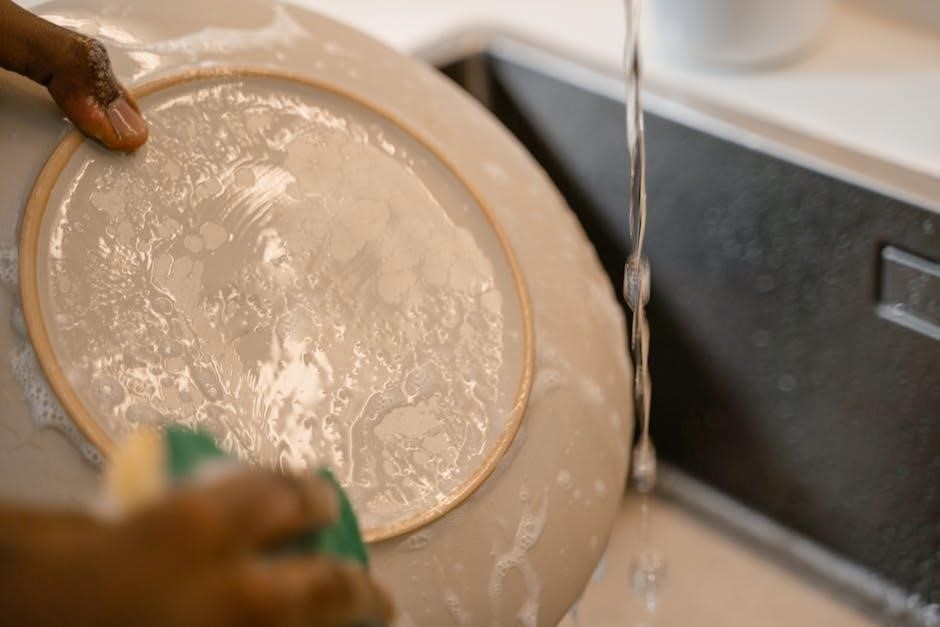
While effective for lightly soiled items, it’s not recommended for heavily soiled dishes or baked-on food residue. It’s an excellent option when time is limited and a full wash cycle isn’t necessary, offering convenience without compromising basic cleanliness.
Delicate/Glass Program Details
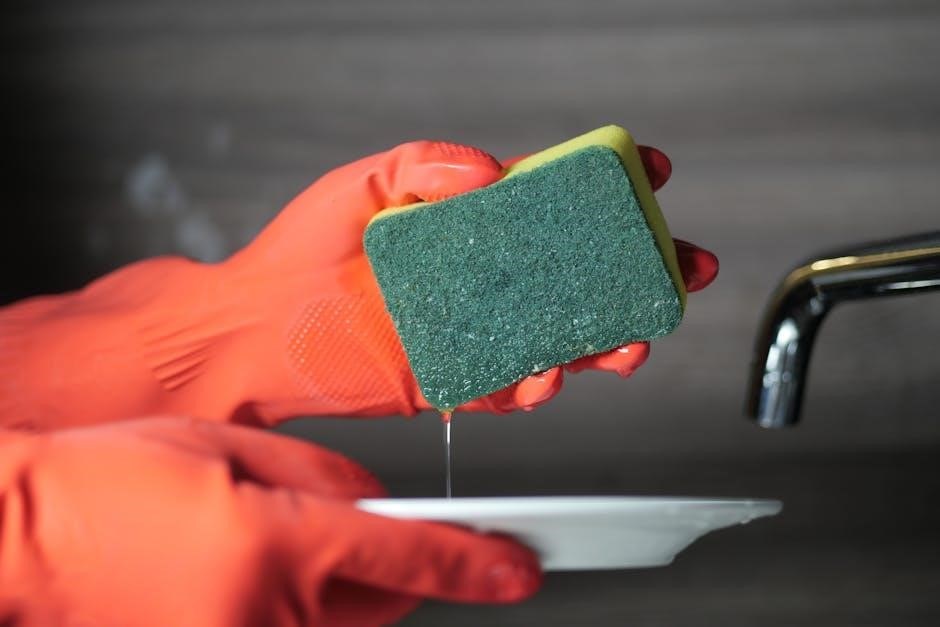
The Delicate/Glass program is specifically engineered as a gentle ‘query’ for fragile items like glassware, crystal, and delicate porcelain. It employs a lower water temperature – typically around 45°C – and reduced water pressure to minimize the risk of damage. This program prioritizes careful cleaning over powerful stain removal.
It’s ideal for items susceptible to chipping or breakage. While effective for lightly soiled glassware, pre-rinsing heavily soiled items is recommended. This program ensures your delicate dishware receives the utmost care, preserving its beauty and integrity throughout numerous washes.
Special Functions and Options
Bosch Series 4 dishwashers offer several functions to customize your wash ‘query’ and optimize performance. VarioSpeed accelerates wash cycles, reducing cleaning time without compromising results – a quick response to your needs. Extra Dry enhances drying, utilizing intensive drying technology for spotless dishes, even plastics.
The Half Load option conserves water and energy when washing smaller loads, a smart ‘request’ for efficiency. These options, accessible via the control panel, allow tailored cleaning experiences. Explore these features to find the perfect settings for your specific dishwashing requirements, ensuring optimal cleaning and resource management.
VarioSpeed: Speeding Up Wash Cycles
VarioSpeed is a function designed to significantly reduce the duration of your dishwasher’s wash cycles. It’s essentially a faster ‘query’ response for your cleaning needs! By increasing the water temperature and spray pressure, VarioSpeed delivers comparable cleaning results in less time.
This feature is particularly useful when you need dishes quickly, without sacrificing cleanliness. Activation is simple – select the VarioSpeed option alongside your chosen wash program. Note that using VarioSpeed may slightly increase energy consumption, but the time savings can be substantial. It’s a convenient option for everyday use and urgent dishwashing ‘requests’.
Extra Dry: Enhanced Drying Performance
The Extra Dry function elevates your dishwasher’s drying capabilities, ensuring sparkling, completely dry dishes – a swift ‘query’ resolution for dryness! This option utilizes a modified drying process, often incorporating a final rinse with a higher temperature and extended drying phase.
It’s ideal for items particularly sensitive to water spots, like glassware or plastic containers. Activation is straightforward; simply select Extra Dry alongside your desired wash program. While it may slightly increase energy usage, the benefit of perfectly dry dishes eliminates the need for manual drying. Consider it a premium ‘request’ fulfilled, providing convenience and impeccable results.

Half Load Option: Saving Water and Energy
The Half Load option is a smart feature designed to conserve resources when washing smaller quantities of dishes – a quick ‘query’ response for efficiency! This function adjusts the water usage and cycle duration to suit a partially filled dishwasher, minimizing waste.
It’s perfect for everyday washes with fewer items, reducing both water and energy consumption. Activation is typically done via a dedicated button on the control panel. While wash performance remains consistent, the reduced load translates to significant savings over time. Think of it as a direct ‘request’ for sustainability, offering an eco-friendly solution without compromising cleanliness.
Maintenance and Cleaning
Regular maintenance ensures your Bosch Series 4 dishwasher operates efficiently and maintains optimal performance – responding to your ‘query’ for longevity. Consistent cleaning prevents buildup and extends the appliance’s lifespan. Key areas include the spray arms, which should be checked for blockages and rinsed regularly.
The filter system requires periodic cleaning to remove food particles and debris, preventing drainage issues. The dishwasher interior benefits from occasional cleaning with a specialized dishwasher cleaner. Addressing these maintenance tasks proactively avoids potential problems and ensures consistently sparkling results, fulfilling your ‘request’ for a hygienic kitchen.
Cleaning the Spray Arms
To maintain optimal washing performance, regularly inspect and clean the Bosch Series 4 dishwasher’s spray arms – responding to your ‘query’ for spotless dishes. Food particles can clog the spray arm nozzles, reducing water pressure and cleaning effectiveness. Remove the spray arms by unscrewing or unclipping them, as detailed in the full manual.
Use a toothpick or small wire to carefully clear any blockages in the nozzles. Rinse the spray arms thoroughly under running water to remove dislodged debris. Reattach the spray arms securely, ensuring they rotate freely. This simple maintenance step ensures even water distribution and consistently clean results, fulfilling your ‘request’ for a hygienic wash.
Filter Cleaning Procedures
Regular filter cleaning is crucial for a smoothly functioning Bosch Series 4 dishwasher – addressing your ‘query’ for peak performance. The filter prevents food particles from recirculating, ensuring clean water for each wash cycle. Locate the filter assembly, typically at the bottom of the dishwasher’s interior.
Remove the filter components and rinse them thoroughly under running water, removing all trapped debris. For stubborn residue, use a soft brush. Inspect the filter for any damage and replace if necessary. Reassemble the filter correctly and securely. Cleaning the filter prevents blockages, maintains water pressure, and ensures optimal cleaning results, satisfying your ‘request’ for spotless dishes.

Dishwasher Interior Cleaning
Maintaining a clean dishwasher interior addresses your ‘query’ for hygiene and optimal performance of your Bosch Series 4 model. Regularly wipe down the interior surfaces with a damp cloth and mild detergent to remove food residue and prevent odors. Pay attention to the door seals, ensuring they are clean and free from debris.
For stubborn stains or limescale buildup, use a dishwasher cleaner specifically designed for this purpose, following the product instructions carefully. Avoid abrasive cleaners, as they can damage the stainless steel interior. A clean interior contributes to better wash results and extends the lifespan of your dishwasher, fulfilling your ‘request’ for long-lasting cleanliness.
Troubleshooting Common Issues
Addressing common issues promptly, like responding to a ‘query’, ensures your Bosch Series 4 dishwasher operates efficiently. If the dishwasher doesn’t start, check the power supply and door latch. Poor washing results often stem from incorrect loading, insufficient detergent, or clogged spray arms. Drying issues may indicate a faulty heating element or rinse aid dispenser.
Consult the error code list within this manual – each ‘request’ for information is answered with a specific code meaning. Regularly checking filters and spray arms prevents many problems. If issues persist, contact Bosch customer support for assistance, providing the model number and a detailed description of the problem.
Dishwasher Not Starting
If your Bosch Series 4 dishwasher fails to start, consider it a ‘query’ needing resolution. First, verify the power supply – check the circuit breaker or fuse box. Ensure the dishwasher door is securely latched; it won’t operate if not fully closed. Examine the control panel for any error messages or illuminated indicators. A child lock activation could also prevent operation.
If these checks don’t resolve the issue, the start/reset button may need a brief press. A potential internal fault might require professional assistance. Before contacting support, document any error codes displayed, as this ‘request’ for help will expedite diagnosis.

Poor Washing Results
Experiencing unsatisfactory cleaning performance? Treat this as a ‘query’ requiring investigation. Begin by verifying proper loading – avoid overcrowding and ensure spray arms aren’t obstructed. Confirm adequate detergent usage, referencing the dosage chart for your water hardness. Insufficient detergent is a common cause.
Check the spray arms for blockages; food particles can impede water flow. A dirty filter significantly reduces washing efficiency – clean it regularly. Selecting the appropriate wash program for the load type is crucial. If issues persist, consider a dishwasher cleaner to remove built-up residue, addressing the ‘request’ for improved cleanliness.

Drying Issues
If dishes remain wet after a cycle, consider this a ‘query’ needing resolution. Ensure the ‘Extra Dry’ option is activated for enhanced performance, particularly with plastics. Verify rinse aid is adequately filled; it aids water sheeting and evaporation. Improper loading can also hinder drying – avoid nesting items.
Check the filter for obstructions, as this impacts water circulation. A low water temperature can affect drying; ensure your hot water heater is set appropriately. If problems continue, run a cycle with dishwasher cleaner to remove residue. Addressing this ‘request’ ensures sparkling, dry results.
Error Codes and Their Meanings
Bosch dishwashers utilize error codes as a ‘query’ response, signaling specific issues. Code E15 indicates a water supply problem – check the inlet hose and water tap. E24 signals a drain issue; inspect the drain hose for kinks or blockages. An E09 error points to a heating element fault, requiring professional attention.
These codes are the dishwasher’s way of making a ‘request’ for assistance. Refer to the full error code list in the manual for a comprehensive understanding. Addressing these promptly prevents further damage and ensures optimal operation; Ignoring these signals is akin to dismissing a vital system ‘query’.
Safety Information and Warnings
Prioritize safety when operating your Bosch Series 4 dishwasher. Always disconnect power before maintenance – a crucial ‘request’ for precaution. Never allow children to play with the appliance or detergent; it poses a significant hazard. Ensure proper water supply and drainage connections to prevent leaks and electrical shock.
Do not attempt to repair the dishwasher yourself; contact a qualified technician. Misuse can void the warranty and create dangerous situations. Treat error codes as important ‘queries’ from the machine, indicating potential safety concerns. Adhering to these warnings ensures safe and reliable operation.
General Safety Precautions
To ensure safe operation of your Bosch Series 4 dishwasher, heed these precautions. Always read all instructions before use – consider them vital ‘queries’ for understanding. Do not operate the dishwasher if the power cord or plug is damaged. Avoid using extension cords; connect directly to a grounded outlet.
Never open the door during a wash cycle, as hot steam may escape. Keep flammable materials away from the dishwasher. Supervise children closely when the appliance is in use. Regularly inspect the interior for any sharp objects before loading. Following these guidelines minimizes risks and promotes safe usage.
Water Supply and Drainage Safety
Maintaining water supply and drainage safety is crucial for your Bosch Series 4 dishwasher. Ensure the water inlet hose is securely connected and free from kinks – treat connection checks as essential ‘queries’. Only use the supplied water inlet hose; avoid reusing old ones. The water pressure must be within specified limits to prevent damage.
Proper drainage is equally important. The drain hose should be correctly positioned to avoid backflow. Never disconnect the drain hose during operation. Regularly inspect the drain hose for leaks or blockages. Following these precautions prevents water damage and ensures efficient operation.
Technical Specifications
The Bosch Series 4 dishwasher boasts specific technical details for optimal performance. Dimensions vary slightly by model, but generally fall within standard kitchen cutouts. Capacity is typically designed for 12-14 place settings, accommodating diverse dishwashing needs. Energy consumption data, crucial for understanding efficiency, is available on the energy label and in this manual – consider this a vital ‘query’ response.
Voltage and frequency requirements are standard for most households. Water pressure specifications must be adhered to for proper operation. Detailed specifications, including weight and noise levels, are listed in the appendix for comprehensive reference.
Dimensions and Capacity
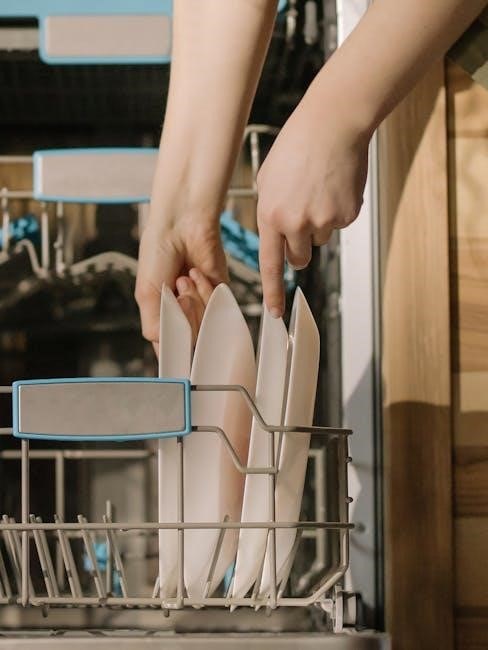
Bosch Series 4 dishwashers offer varied dimensions to suit different kitchen layouts. Standard height typically ranges from 84.5cm to 87.5cm, with width around 60cm or 45cm, depending on the model; Depth usually falls between 60cm and 65cm. Precise measurements are crucial for installation – treat this as a key ‘query’ for a smooth fit.
Capacity is generally 12 to 14 place settings, providing ample space for family-sized loads. Internal space is optimized for efficient dish arrangement. Refer to the installation guide for detailed dimensional diagrams and capacity information.
Energy Consumption Data
Bosch Series 4 dishwashers are designed for energy efficiency, a crucial ‘query’ for environmentally conscious users. Typical energy consumption per wash cycle (Eco 50°C program) ranges from 0.92 kWh to 1.1 kWh, depending on the specific model and load size. Water consumption is approximately 9.5 to 11 liters per cycle.

These dishwashers generally achieve an energy efficiency class of A++ or A+++, minimizing environmental impact and reducing utility bills. Detailed energy label information, including annual energy consumption estimates, can be found on the product’s energy label and in the full manual.
Warranty Information
Bosch offers a comprehensive warranty on its Series 4 dishwashers, providing peace of mind to customers addressing potential ‘queries’ regarding product reliability. The standard warranty typically covers one year for parts and labor, protecting against manufacturing defects and malfunctions. Extended warranty options are often available for purchase, extending coverage for up to five years.
To make a warranty claim, retain your proof of purchase and contact Bosch’s customer service department. The warranty does not cover damage caused by misuse, improper installation, or unauthorized repairs. Full warranty details are outlined in the separate warranty document included with your dishwasher.
Leave a Reply
You must be logged in to post a comment.