
Adopt Aden and Anaïs’s gentle swaddle approach, blending comfort with safety. Their step‑by‑step guide highlights breathable fabrics, proper hip alignment, and temperature control, ensuring newborns stay snug yet free to breathe. Follow their expert tips for a peaceful sleep. Calm nights ensue.!!?

Who Are Aden and Anaïs?
Aden and Anaïs are the visionary duo behind Halo Sleep, a brand celebrated for its science‑backed approach to infant comfort and safety. Both parents and sleep consultants, they combined years of research on newborn sleep patterns with hands‑on experience to create the world’s most trusted swaddle blankets. Their mission is simple: give parents a reliable, breathable swaddle that supports healthy hip development while preventing the common “shivering” and “over‑heat” risks associated with traditional swaddles. By integrating ergonomic design, premium cotton blends, and a clear, step‑by‑step guide, they empower caregivers to wrap their babies safely and confidently. Their partnership is rooted in a shared belief that a good night’s sleep is the cornerstone of a healthy family, and their products reflect that philosophy in every stitch and seam.
Since launching in 2018, Halo Sleep has received accolades from pediatricians and sleep experts worldwide, and their swaddles are now a staple in hospitals and homes alike. Parents praise the ease of use and the peace of mind that comes from knowing their baby sleeps safely. The duo continues to innovate, releasing new designs that adapt to developmental milestones, ensuring that the swaddle evolves with the child.
Their collaborative research also includes a guide on sleep hygiene, feeding schedules, and developmental cues, making Halo Sleep a resource for new parents. The brand’s commitment to sustainability is evident in its use of organic cotton and recyclable packaging, appealing to families worldwide Enjoy!!
Why Swaddle Matters for Newborns
Swaddling gives newborns a womb‑like hug that calms startle reflexes, deepens sleep, and supports hip health. A blanket limits arm movement, preventing the Moro reflex from waking the baby, while the fabric’s softness mimics comfort of the uterus. Research shows swaddled infants sleep longer, wake less, and have fewer breathing disruptions. A breathable blanket keeps core temperature steady, reducing overheating risk and SIDS. The Halo Sleep swaddle’s design uses breathable cotton and a “no‑roll” safety feature, keeping hips neutral. Parents following Aden and Anaïs’s guide report fewer night‑time awakenings and calmer babies. Swaddling eases the shift to independent sleep by establishing a consistent cue that signals rest. Overall, it is a simple, evidence‑based tool that boosts newborn safety, comfort, and sleep quality.
Additionally, swaddling can lower night terrors and improve feeding, as the infant feels secure and is less likely to wake abruptly. The Halo Sleep swaddle’s adjustable design lets parents tighten or loosen as the baby grows, which supports developmental milestones such as rolling over and sitting up. By maintaining a consistent sleep environment, swaddling helps regulate circadian rhythms, leading to better daytime alertness and overall growth. Parents who incorporate swaddling into their bedtime routine often notice a significant improvement in the baby’s mood and a decrease in crying episodes, which in turn reduces parental stress and promotes a healthier family dynamic;
Adopt the Halo Sleep swaddle’s core principles: breathable cotton, adjustable fit, and safety‑first design. The guide stresses that a snug blanket should leave enough room for hip flexion, preventing dislocation while still restricting arm movement to soothe the Moro reflex. Parents are advised to monitor body temperature; the lightweight fabric allows airflow, reducing overheating risk. The “no‑roll” feature ensures the blanket stays in place, a critical safety element that aligns with CDC recommendations for safe sleep. Additionally, the guide highlights the importance of timing—swaddling is most effective during the first few weeks, tapering off as the infant gains control over rolling and sitting. The instructions also recommend checking for any signs of distress, such as excessive sweating or labored breathing, and adjusting the wrap accordingly. By following these steps, caregivers can create a consistent sleep cue, promote deeper rest, and support healthy hip development. The Halo Sleep team encourages regular reassessment of fit and comfort, ensuring the swaddle evolves with the baby’s growth. Ultimately, the guide’s focus on simplicity, safety, and evidence‑based practices empowers parents to confidently use swaddling as a tool for better sleep and overall well‑being. With these guidelines, new parents can confidently wrap their newborns, ensuring safe, soothing sleep that nurtures both infant development and parental peace of mind and restful nights!!

Choosing the Right Swaddle Blanket

Select a swaddle that balances warmth and breathability. Opt for lightweight, breathable cotton or bamboo blends that keep your baby cool yet snug. Ensure the blanket’s size matches your infant’s weight, allowing room for hip flexion. A well‑fitted swaddle promotes safe, restful sleep for every night. and cal all
Fabric Options for Breathability
When choosing a swaddle, the material’s breathability is paramount. Aden and Anaïs recommend natural fibers such as organic cotton, bamboo, and modal, which allow air circulation while still providing gentle warmth. Cotton’s moisture‑wicking properties keep the infant’s skin dry, reducing the risk of overheating. Bamboo offers a silky feel and inherent antibacterial qualities, making it ideal for sensitive newborn skin. Modal, derived from beech trees, is lightweight and highly absorbent, helping to regulate temperature throughout the night. In addition to these natural options, some parents opt for a hybrid blend that pairs cotton with a small percentage of polyester for added durability. However, the key is to avoid heavy, non‑breathable fabrics like polyester‑only blankets, which can trap heat and increase the risk of Sudden Infant Death Syndrome (SIDS). Always check the weight rating of the blanket; a lighter weight (around 4–6 ounces) is suitable for newborns, while a slightly heavier weight (7–10 ounces) may be appropriate for older infants who can tolerate more warmth. Finally, consider the weave: a loose, open‑weave design promotes airflow, whereas a tight weave can restrict circulation. By selecting a breathable fabric, you help maintain a safe sleep environment and encourage restless, uninterrupted sleep for your baby. Always follow care instructions to preserve breathability!
Size and Weight Guidelines
Choosing the correct size and weight for a swaddle blanket is essential for safety and comfort. Aden and Anaïs advise selecting a blanket that matches your baby’s current weight and length. For newborns weighing 4–8 lb (1.8–3.6 kg) and measuring 18–22 in (45–56 cm), a 40 × 40 in (102 × 102 cm) square of lightweight fabric (4–6 oz) is ideal. As the infant grows, transition to a 50 × 50 in (127 × 127 cm) square with a slightly heavier weight (7–10 oz) once the baby reaches 8–12 lb (3.6–5.4 kg) and 22–26 in (56–66 cm). The weight of the blanket should be light enough to allow the baby to move freely but heavy enough to provide a snug, secure feel. A good rule of thumb is to choose a blanket that is roughly 1–2 oz per pound of the baby’s weight. Additionally, check the manufacturer’s size chart for specific weight ranges; many brands offer “newborn,” “small,” and “medium” options. Always ensure the blanket is large enough to wrap around the baby’s torso and legs without excess fabric that could create a suffocation hazard. When in doubt, opt for a slightly larger size and trim any excess. Proper sizing reduces the risk of overheating and promotes a restful sleep environment. Parents should also consider the seasonal temperature; during warmer months, a lighter 3–4 oz blanket may suffice, while in cooler climates a 5–7 oz blanket provides adequate warmth. Monitoring the baby’s skin temperature during the first few nights helps determine if the blanket is too heavy or too light. If the baby’s chest feels hot or sweaty, switch to a lighter weight. Conversely, if the baby appears cold, a slightly heavier blanket is warranted. Consistently following these guidelines ensures the swaddle remains comfortable and safe throughout the infant’s early months. Enjoy!
How to Find a Swaddle That Fits Your Baby
Choosing the right swaddle involves more than size—it’s about fit, feel, and safety. Start by measuring your infant’s length from crown to heel and weight from the latest weigh‑in. Compare these numbers to the brand’s size chart; most manufacturers provide a simple “newborn,” “small,” “medium,” and “large” range. A blanket that is too small will restrict movement and cause overheating, while one that is too large can create loose folds that pose a suffocation risk. Look for a swaddle that offers adjustable features such as Velcro or snap closures, allowing you to tighten or loosen the wrap as your baby grows. Breathable fabrics like organic cotton, bamboo, or muslin are recommended for their moisture‑wicking properties, keeping the infant cool and dry. If your baby is prone to rapid weight gain, consider a slightly heavier weight blanket (7–10 oz) to maintain a snug feel without compromising airflow. Always test the swaddle on a clean, flat surface before wrapping your baby; the blanket should fold neatly around the torso and legs, leaving no excess material that could trap the infant. For added confidence, read online reviews and consult pediatric forums to see how other parents rate the fit and comfort of specific swaddles. Finally, remember that a good fit is dynamic—what works during the first week may need adjustment as your baby’s body changes. Regularly reassess the swaddle’s snugness and replace it when it no longer provides the right balance of support and freedom. Happy swaddling!

Preparing and Wrapping Your Baby
Lay the blanket flat, center your baby’s head, secure arms, wrap legs, and finish snugly. Keep the blanket within reach for quick adjustments. Follow Aden and Anaïs’s rhythm: gentle, secure, and breathable, ensuring a calm, safe, sleep environment. Keep it snug, not tight, watch for comfort.!
Step 1: Lay Out the Blanket
Begin by selecting a swaddle blanket that is lightweight, breathable, and has a size that comfortably fits your newborn. Place the blanket on a clean, flat surface such as a changing table or a padded mat. The blanket should be unfolded into a square shape, with the corners folded down to create a small triangle at each side. This triangular shape will guide the wrapping process and ensure a secure fit. Position the baby’s head at the center of the blanket, allowing enough room for the head to remain uncovered while the body is wrapped. The blanket’s edges should be aligned so that the baby’s torso sits snugly against the center of the blanket, with the blanket’s corners pointing toward the baby’s shoulders. This orientation helps maintain a natural hip position and prevents overheating. Make sure the blanket is evenly spread, with no creases or folds that could restrict breathing. The blanket should be smooth and flat, providing a gentle, supportive surface for the newborn. By carefully laying out the blanket in this manner, you create a stable foundation for the subsequent steps, ensuring the swaddle is both safe and comfortable for the baby. This preparation step is crucial for establishing the correct positioning and temperature control that Aden and Anaïs emphasize in their swaddle instructions.
Step 2: Position Your Baby and Secure Arms
Place the newborn on the pre‑arranged blanket, aligning the baby’s head with the center of the square. Gently lift the baby’s shoulders and lower the blanket over the torso, ensuring the blanket’s edges lie flat against the baby’s back. The baby’s arms should be positioned naturally, close to the body, with the forearms resting on the blanket. To secure the arms, fold the blanket over the baby’s upper body and tuck the front corner under the baby’s chest, creating a snug but not restrictive hold. The baby’s arms should be free enough to move slightly, preventing a “tight‑arm” scenario that could impede breathing. The blanket should be snug around the chest and upper limbs, but the lower body must remain loose to allow for hip flexion; This positioning supports the baby’s natural “frog‑leg” posture, which is essential for healthy hip development. Follow Aden and Anaïs’s guideline of keeping the blanket’s weight evenly distributed, avoiding any pressure points on the baby’s shoulders or neck. After securing the arms, check that the baby’s head remains uncovered and that the blanket does not cover the face or mouth. This step ensures a safe, comfortable swaddle that promotes restful sleep while maintaining proper posture and temperature control as recommended by the experts.
Remember to keep the blanket snug yet breathable, and always monitor the baby’s comfort and breathing during swaddling sessions to ensure safe so restful sleep environment!.
Step 3: Wrap the Legs and Finish

After the baby’s torso is secured, focus on the lower limbs. Gently lift the baby’s right leg and slide the blanket over the right foot, ensuring the foot remains uncovered and the blanket drapes over the calf. Fold the blanket over the baby’s back, bringing the right side up toward the left, and tuck the left side of the blanket under the baby’s left leg. This creates a snug wrap that keeps the legs together while allowing the hips to flex naturally. The blanket should rest lightly on the baby’s thighs, not compressing the femur. Repeat the same process for the left leg, ensuring symmetry and a balanced weight distribution. Once both legs are wrapped, adjust the blanket so that it lies flat against the baby’s lower back, avoiding any creases that could restrict movement. Finally, tuck the remaining corner of the blanket under the baby’s back, securing the entire wrap. The baby should feel snug but not overly tight; the blanket should allow a small amount of movement in the hips and knees. Check that the blanket does not cover the baby’s face or mouth, and that the baby’s breathing is unobstructed. This final wrap completes the swaddle, providing a secure, comforting environment that promotes deep, uninterrupted sleep while adhering to Aden and Anaïs’s safety guidelines. Remember that a well‑swaddled infant is more likely to stay calm and sleep through the night, but always monitor for signs of overheating or hip discomfort, and adjust the blanket as your baby grows. and keep the room at 68°F. safe

Safety, Common Mistakes, and Transitioning
Adopt Aden and Anaïs’s safety cues: keep hips open, monitor temperature, avoid tight wraps, watch for red marks. Common errors include over‑tightening. Transition when baby rolls over, swapping to a sleep sack for continued comfort. Stay alert.
Ensuring Safe Hip Position and Temperature
Adopt Aden and Anaïs’s guidelines for hip safety and thermal comfort. Position the baby’s legs in a natural “M” shape, with knees slightly higher than hips, to prevent hip dysplasia. Use a lightweight, breathable cotton or muslin blanket that allows air circulation while keeping the infant snug. Check the room temperature; the ideal range is 68–72°F (20–22°C). Avoid overheating by removing one layer if the baby feels warm, especially during the night. Secure the swaddle so the blanket is snug around the torso but loose enough at the hips to allow movement; Regularly inspect the swaddle for tightness, ensuring there are no creases that could restrict circulation. Keep the baby’s face uncovered and monitor for any signs of overheating, such as flushed cheeks or rapid breathing. Following these steps helps maintain a safe hip position and optimal temperature, reducing the risk of hip disorders and ensuring a restful sleep.
Tip: Use a swaddle that allows the baby’s legs to move freely; a snug blanket that restricts hip movement can lead to developmental issues. Keep the swaddle’s fabric thin enough to avoid heat buildup; a thicker blanket may trap warmth and cause overheating. Monitor the baby’s skin for redness or dampness, especially around the neck and chest, and adjust the blanket weight accordingly. Always check that the swaddle does not create a tight band around the torso that could impede breathing or circulation and.
Common Swaddling Mistakes to Avoid
Adopt Aden and Anaïs’s cautionary list to keep swaddling safe and soothing. First, avoid an overly tight wrap that can restrict breathing or circulation; the blanket should be snug around the torso but loose at the hips. Second, never cover the baby’s face or head; an exposed head promotes proper airflow and prevents suffocation. Third, steer clear of heavy, non‑breathable fabrics that trap heat; choose lightweight cotton or muslin to maintain a cool environment. Fourth, don’t leave the swaddle in place for extended periods; remove it when the baby shows signs of discomfort or when the room temperature rises. Fifth, avoid improper hip positioning—ensure the legs form a natural “M” shape to prevent hip dysplasia. Sixth, do not use a blanket that is too wide; it can shift and create a loose loop that may become a choking hazard. Additionally, avoid using a swaddle that is too long; trimming it to the appropriate length prevents excess fabric from hanging over the baby’s shoulders. Also, do not rely on adhesive swaddle wraps that may leave residue on the baby’s skin; opt for secure, non‑sticky designs. Lastly, avoid swaddling during a fever; a higher body temperature can be exacerbated by a snug blanket. By steering clear of these pitfalls, parents can provide a secure, comfortable sleep environment that aligns with Aden and Anaïs’s expert recommendations. Keep the swaddle’s corners tucked to avoid loose edges that could pose a risk, and monitor the baby’s skin for redness or dampness, adjusting the blanket if needed.
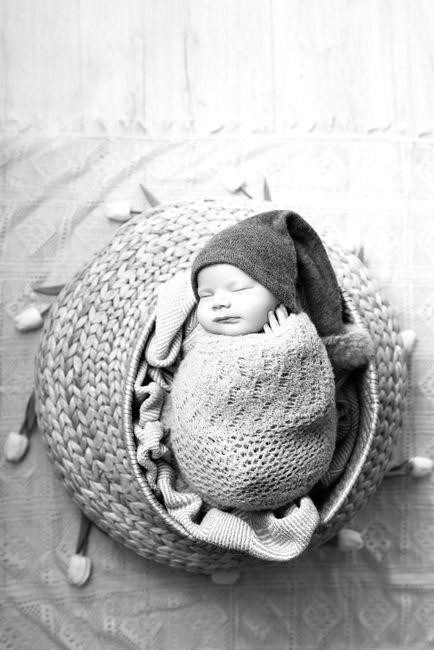
When to Stop Swaddling and Move to Sleep Sacks

Parents should transition from swaddling to sleep sacks when the infant shows signs of rolling or when the baby reaches the age of 3 to 4 months. Swaddling limits the baby’s ability to move, hindering motor skill development and increasing hip dysplasia risk. A sleep sack allows the infant to move freely while still providing a snug, secure environment. The transition should be gradual; start by swaddling the baby for short periods and then replace the blanket with a lightweight sleep sack. Observe the baby’s comfort level and adjust the temperature of the sleep sack accordingly. If the infant begins to roll over, it is essential to stop swaddling immediately to prevent suffocation. Additionally, when the baby’s weight exceeds the recommended limit for the swaddle blanket, it is time to switch. A sleep sack offers versatility, allowing parents to adjust the level of restriction based on the baby’s growth. By following these guidelines, parents can ensure a safe, restful sleep environment that supports the baby’s natural development. This approach keeps babies calm and safe.
When switching, pick a sleep sack that fits the baby’s weight and uses breathable, moisture‑wicking fabric to avoid overheating. Many models have adjustable straps or a zipper for quick diaper changes, keeping the baby comfortable. Parents should also confirm the baby lies flat on their back to reduce SIDS risk, and ensure hips stay in a natural “M” shape for healthy development. This transition promotes safe, restful sleep.!!

Leave a Reply
You must be logged in to post a comment.