
Manual wood shredders convert branches into mulch without electricity. They rely on hand‑powered or manual chipping mechanisms, requiring regular cleaning of blades, wheels, and vents. Proper setup, secure bolts, and safety guards are essential for efficient, safe operation. Keep it dry, inspect wear, follow.
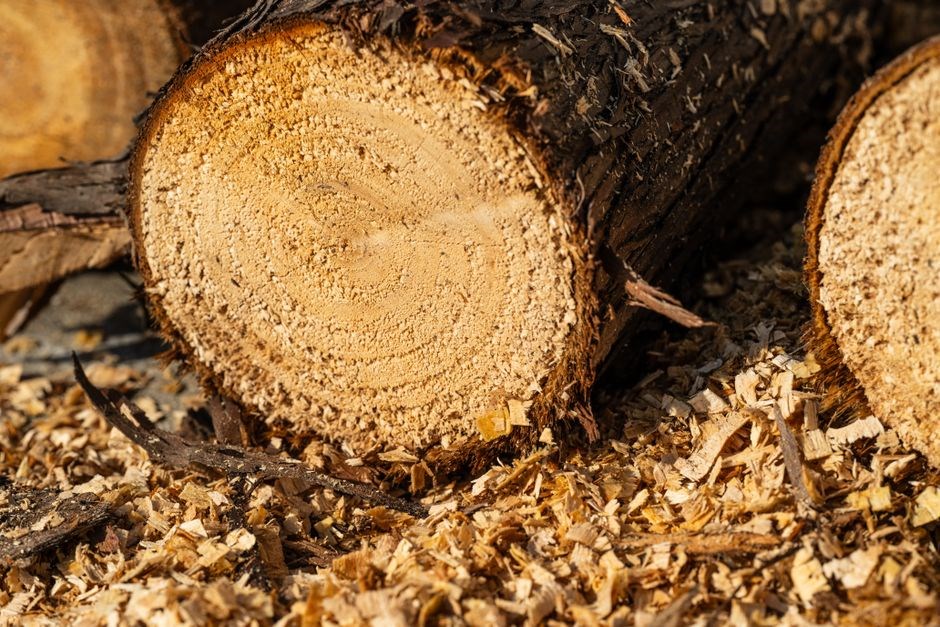
Types of Manual Wood Shredders
Manual shredders fall into two main categories: hand‑powered units, where a crank turns blades, and manual chipping machines that use a lever or foot‑pedal to drive cutting edges. Each type offers distinct torque, speed, and maintenance needs. Use a brush to keep blades sharp!.
Hand‑Powered Shredders
Hand‑powered shredders are compact, crank‑driven machines that turn woody debris into mulch without electricity. A sturdy steel crank turns a set of interlocking blades housed in a reinforced frame. Operators turn the crank by hand, usually seated or kneeling, allowing the blades to shear branches, twigs, and bark into fine particles. The blades, made from hardened steel, are arranged in a V‑shaped pattern to maximize cutting efficiency and reduce clogging. A removable feed chute guides material into the blade chamber, and a discharge chute collects the shredded output. The chute angles are adjustable, permitting operators to control the size of the final mulch. Maintenance is straightforward: after each use, inspect blades for dullness or damage and clean with a brush or cloth—no solvents. Tighten bolts and nuts to prevent wobble, and check the crank handle for smooth rotation. Safety features include a guard covering the blades during operation, a foot‑pedal or hand‑brake to stop the machine, and a lock‑out mechanism that disables the crank when not in use. Operators should wear protective gloves, eye protection, and hearing protection, as the cranking motion can generate significant noise and vibration. Work in a well‑ventilated area, keep the workspace clear of debris, and avoid overloading the feed chute to prevent jams. Hand‑powered shredders are ideal for small yards, garden projects, or emergency situations where electricity is unavailable. By providing a low‑cost, low‑maintenance solution, these machines empower users to recycle woody waste efficiently and sustainably.

Manual Chipping Machines
Manual chipping machines are hand‑driven devices that convert woody debris into mulch without the need for electrical power. A sturdy crank or lever turns a set of hardened steel blades housed in a reinforced frame. Operators feed branches, twigs, and bark through a removable chute that guides the material into the blade chamber. The blades, arranged in a V‑shaped pattern, shear the wood into fine particles while a discharge chute collects the output. These machines are lightweight, portable, and ideal for small yards, garden projects, or emergency situations where electricity is unavailable. Maintenance is simple: after each use, inspect blades for dullness, clean with a brush or cloth, and tighten all bolts and nuts. Safety features include a blade guard, a foot‑pedal or hand‑brake to stop the machine, and a lock‑out mechanism that disables the crank when not in use. Operators should wear protective gloves, eye protection, and hearing protection, as the cranking motion can generate significant noise and vibration. Work in a well‑ventilated area, keep the workspace clear of debris, and avoid overloading the feed chute to prevent jams. By providing a low‑cost, low‑maintenance solution, manual chipping machines empower users to recycle woody waste efficiently and sustainably. They are especially useful for removing excess branches from garden beds, clearing firewood piles, or preparing mulch for composting. The simple mechanical design allows for easy transport and storage, and the absence of electrical components eliminates the risk of short circuits or power outages. Regular checks of the crank handle ensure smooth operation and prolong the machine’s lifespan. Keep the feed chute level to avoid uneven loading and reduce the chance of jams. Always store in a dry place. Use a soft brush to keep blades clean.
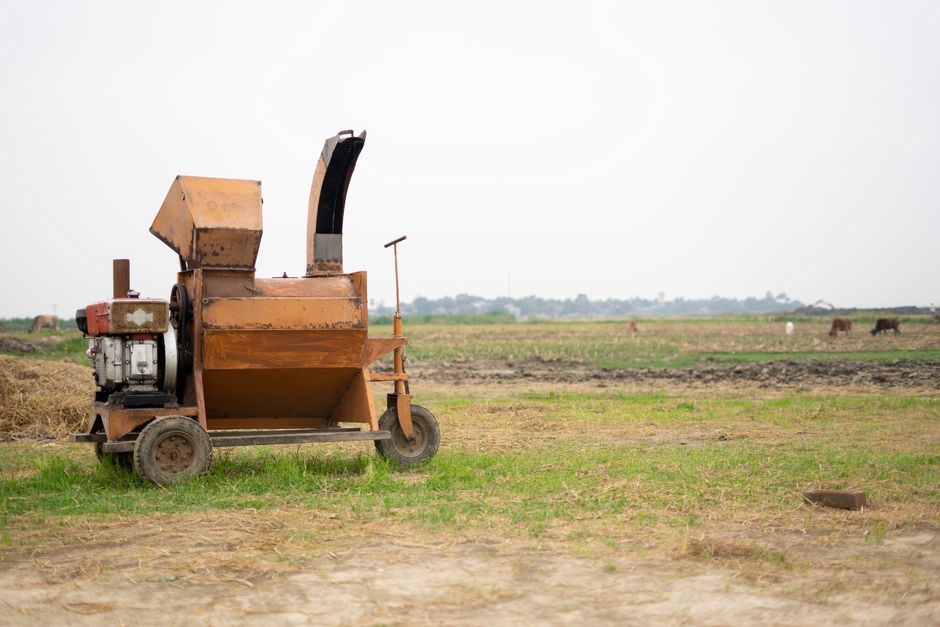
Key Components
Blade mechanism: hardened steel V‑shaped cutters shear wood into mulch. Drive system: hand‑crank or foot‑pedal turns the blades, providing torque without electricity. Safety features: blade guard, lock‑out, and emergency stop keep operators protected. All parts are built to last and easy
Blade Mechanism
Manual wood shredders rely on a robust blade system to convert branches into mulch. The core of the system is a set of hardened steel V‑shaped cutters mounted on a rotating shaft. These cutters are typically forged from alloy steel and then heat‑treated to achieve a balance of toughness and edge retention. The V‑shaped geometry allows the blades to slice through wood fibers cleanly, producing uniform particle sizes while minimizing splintering. The cutters are arranged in a circular pattern around the shaft, spaced to create a consistent feed gap that matches the desired mulch thickness. The shaft itself is driven by a hand‑crank or foot‑pedal mechanism, which provides the necessary torque without the need for an electric motor. The crank is connected to the shaft via a gear train that reduces the input speed to an optimal cutting speed, typically between 200 and 400 revolutions per minute, depending on the shredder model and the hardness of the wood. To maintain performance, the blade assembly must be inspected regularly for signs of wear or damage. A dull blade will increase the effort required to operate the shredder and can produce uneven mulch. Sharpening the blades can be done with a grinder or a sharpening jig; the process should be performed with the shredder powered off and all safety guards in place. In addition to the cutting edges, the blade housing includes a protective guard that covers the blades when the shredder is not in use. This guard prevents accidental contact with the rotating cutters and also protects the blades from debris.

Drive System
Manual wood shredders use a hand‑crank or foot‑pedal to turn a gear train that drives the cutting shaft. The gear train typically consists of a large input gear, a smaller intermediate gear, and a final gear that meshes with the shaft. This arrangement multiplies torque, allowing operators to shred wood with manageable effort. The shaft is made from high‑strength steel and is supported by bearings that reduce friction and allow smooth rotation. A clutch or lever engages the gear train when the operator begins turning the crank, preventing the shaft from spinning when idle. A simple braking mechanism can be engaged to stop the shaft quickly in emergencies or when changing feed material. Regular lubrication of gears and bearings, inspection of the crank handle, and checking gear tooth alignment are essential for smooth operation. The drive system’s simplicity makes it reliable in harsh environments, as it has no electrical components and requires minimal maintenance. Operators can gauge material processed per minute, allowing efficient use of the shredder. The modular design permits easy upgrades; users can swap gear sets or blade assemblies to tailor performance. Overall, the manual drive system provides a reliable, low‑cost solution for converting branches into mulch or chips. The gear train’s ratio is chosen to balance speed and torque, ensuring consistent cutting across wood types. Because the system is hand‑powered, it can be operated anywhere without electricity, making it ideal for sites. Maintenance involves tightening bolts, cleaning blades, and replacing worn gear teeth to keep performance optimal. Operators should also monitor vibration levels, as excessive vibration can indicate misalignment or worn components. Regular checks extend the shredder’s lifespan. Efficiency enhances productivity significantly!
Safety Features
Manual wood shredders incorporate several protective measures to safeguard operators. A heavy‑duty guard surrounds the cutting shaft, preventing accidental contact with moving blades. The guard is made of reinforced plastic or metal and can be removed only with a key or tool, ensuring it stays in place during operation. A quick‑release latch allows the guard to be opened for blade changes, but the latch must be engaged before the shredder is powered on. A built‑in brake lever engages automatically when the operator releases the crank, stopping the shaft within a few seconds. The shredder’s frame is bolted to a stable base; all mounting bolts are tightened to the manufacturer’s torque specification to avoid wobble, which could cause blade misalignment. The feed chute is designed with a non‑slip surface and a guard to keep fingers out of the path. Operators must wear cut‑resistant gloves, safety glasses, and hearing protection. The manual also recommends a safety checklist: verify the guard is closed, the brake is engaged, the feed chute is clear, and the operator’s hands are out of the danger zone before starting the shredder. Regular inspection of the guard, latch, and brake mechanism is mandatory; any wear or damage should be repaired before use. By combining mechanical guards, locks, and operator training, manual shredders reduce the risk of injury while maintaining efficient performance.
Operators should check lock‑out/tag‑out before use, ensuring power sources are disconnected. An emergency stop lever is within reach, and a safety interlock stops crank when guard is open. daily training blade alignment chute clearance reduces kick‑back risk.

Operating Instructions
Start by securing the shredder on a flat surface. Place the feed chute open, then insert a branch. Turn the crank slowly, allowing the blade to engage. Keep hands clear, use the guard, and stop crank when finished. Clean debris after each use. Always wear gloves and eye protection.

Setup and Start‑Up
Begin by positioning the manual wood shredder on a level, stable surface, ensuring the feed chute is clear of debris. Verify that all mounting bolts and screws are tightened to the manufacturer’s torque specifications; loose fasteners can cause vibration and misalignment. Align the blade assembly so the cutting edge faces the feed slot and the guard is fully engaged. Check that the crank handle is free of obstruction and that the drive shaft rotates smoothly. Before turning the crank, insert a small branch or twigs into the chute to confirm that the feed path is unobstructed and that the blade engages correctly. Once the feed path is verified, begin cranking slowly, applying steady pressure. Observe the blade’s motion; it should cut cleanly without binding. If resistance is felt, stop immediately, inspect for jammed material, and clear the obstruction. After the material has been processed, release the crank and allow the blade to come to a full stop. Inspect the blade for wear or damage; replace if necessary. Finally, clean the chute, blade, and surrounding area with a brush or cloth, avoiding solvents or harsh chemicals that could damage the metal surfaces. Store the shredder in a dry place, ensuring that the crank handle is protected from accidental contact. Following these steps ensures a safe, efficient start‑up and optimal performance of the manual wood shredder. After each session, wipe the blade with a dry cloth to remove sawdust and inspect for wear. If the blade shows signs of dullness, sharpen or replace it quickly to maintain cutting efficiency!!

Shredding Process
To start shredding, feed small, dry branches into the chute, ensuring they fit the blade’s clearance. Keep a firm grip on the crank, applying steady pressure so the blade turns smoothly. As the blade cuts, wood turns into fine chips that drop into the collection bin. Watch for binding; if the blade stalls, stop, clear the jam, and resume. Adjust the blade’s depth with the depth wheel to control chip size. For larger logs, cut them into manageable pieces first, then feed them into the shredder. Keep the chute clear of debris and check the blade’s sharpness regularly. If dull, stop, remove the blade, and sharpen or replace it. After shredding, reverse the crank to clear any remaining wood from the chute. Clean the blade with a dry brush, and store the shredder in a dry place to prevent rust. Wear gloves and eye protection to guard against splinters. Inspect the drive shaft and bearings for wear; replace if necessary. Use dry wood; wet wood can clog the blade. Monitor blade temperature; overheating may cause metal fatigue. Periodically inspect the blade for lodged chips and remove them with a pry tool. Keep a small container of sand or sawdust nearby to dampen splintering wood, reducing airborne particles. Use a noise‑reducing mat to minimize vibration. After each session, perform a quick visual check for loose parts, cracks, or wear. Prompt maintenance prevents costly repairs. Regularly oil the bearings to maintain smooth operation and extend component life daily. Safety checks complet now. By following these practices, operators enjoy reliable, efficient shredding while extending the shredder’s lifespan.

Maintenance & Safety
Keep the shredder, wheels, and vents clean with a brush or cloth; avoid solvents. Inspect nuts, bolts, and screws for tightness. Use safety guards, wear gloves, and ensure the blade is sharp. If issues arise, consult a qualified electrician. Store the device in a place to prevent rust. Now.
Troubleshooting Common Issues
When a manual wood shredder stalls, check the blade alignment and ensure no debris is jammed between the blades and the feed chute. A dull blade will increase resistance; sharpen or replace it. Loose bolts or a loose drive screw can cause the shredder to lose torque; tighten all fasteners according to the manufacturer’s torque specifications. If the shredder makes a grinding noise, inspect the bearings for wear and lubricate them with a light oil. A clogged air vent can overheat the motor; clean the vent with a brush. For a sudden drop in shredding speed, verify that the feed chute is clear and that the operator’s hand‑power input is steady. If the device does not start at all, confirm that the safety guard is correctly positioned; many models will not engage until the guard is fully in place. In case of a sudden stop, inspect the drive system for binding; a bent gear or a misaligned shaft will cause the shredder to seize. A common electrical issue is a loose connection at the power cord; ensure the plug is fully inserted and the cord is free of kinks. If the shredder emits a burning smell, immediately disconnect power, inspect for overheating components, and allow the unit to cool before troubleshooting further. Finally, always refer to the service manual for model‑specific diagnostic steps and replace any worn parts promptly to prevent further damage. Additionally, if the shredder’s feed rate fluctuates, examine the feed mechanism for wear or obstruction; replace worn rollers or adjust the feed angle as recommended. When the shredder’s output appears uneven, check the blade pitch and adjust the blade spacing to ensure uniform cutting. For models with a manual crank, ensure the crank handle is not worn or cracked, as this can reduce power transmission. If the shredder’s operating noise level is higher than normal, verify that the mounting surface is level and that the device is not vibrating against a hard surface; use rubber pads to dampen vibrations. Lastly, keep a log of operating hours and maintenance actions to predict wear patterns and schedule preventive maintenance before a failure occurs. Check alignment. Torque
Leave a Reply
You must be logged in to post a comment.